

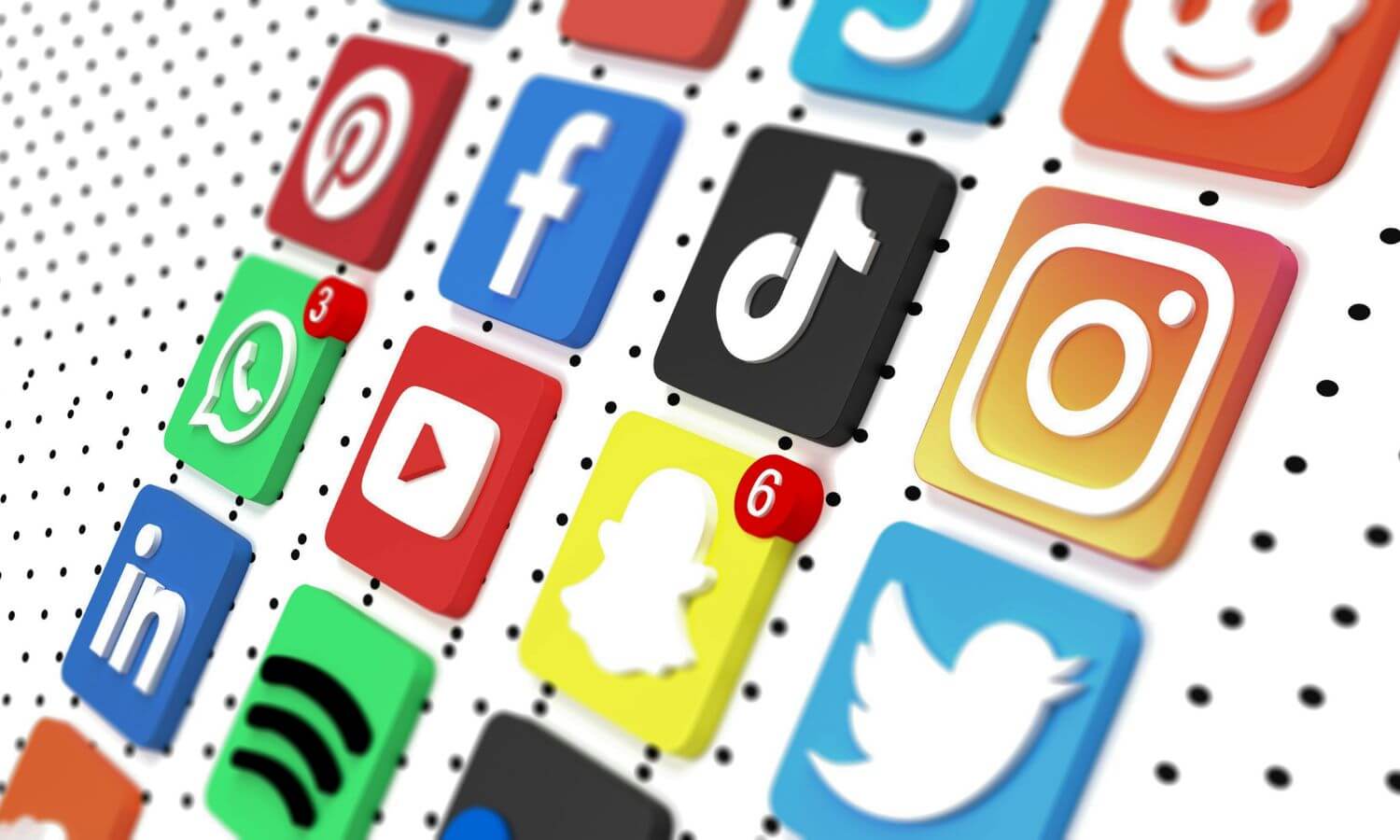

Social media rules of engagement have changed, and in 2026 they matter more than ever.
Brands can no longer rely on posting the same content everywhere and hoping something sticks. Audiences are sharper, platforms are more opinionated, and algorithms are increasingly tuned to reward behaviour that feels native, relevant, and human.
For marketing teams, this has created a new challenge. It is not about posting more. It is about showing up properly, in the right way, on the right platform, with a clear understanding of what engagement actually looks like in context.
This guide breaks down the social media rules of engagement for 2026. Not as trends. Not as hacks. But as practical guidance for marketers who need clarity, consistency, and results across a fragmented social landscape.
Why social media rules of engagement matter more in 2026
Social media used to reward presence. If you showed up often enough, something usually worked. That era is over.
In 2026, platforms are crowded, audiences are selective, and tolerance for irrelevant or tone-deaf content is low. Algorithms increasingly prioritise signals that indicate genuine engagement rather than volume, such as time spent, meaningful interactions, and repeat exposure.
At the same time, audiences now move fluidly between platforms with very different expectations. What feels appropriate on one channel can feel out of place or even irritating on another.
This is why rules of engagement matter. Not because platforms enforce them, but because audiences do. When brands fail to adapt their behaviour to platform context, engagement drops quietly and consistently.
The brands that perform well are not louder. They are more aware.
What we mean by “rules of engagement” on social media
Rules of engagement are not terms of service or content policies. They are the unwritten expectations that shape how people want brands to behave in a given environment.
These rules cover things like:
- How promotional a brand can be.
- How polished content should feel.
- Whether brands are expected to participate or simply publish.
- The acceptable tone, pace, and depth of communication.
Understanding these rules allows marketing teams to make better strategic and operational decisions about content format, frequency, voice, and intent. Ignoring them usually results in content that technically fits the platform but emotionally misses the mark.
In short, rules of engagement define whether a brand feels like it belongs.
Platform-by-platform rules of engagement in 2026
Each major social platform now operates with its own culture, rhythm, and engagement logic. Treating them as interchangeable channels is one of the fastest ways to underperform.
Below is a practical breakdown of how engagement works by platform in 2026.
TikTok
TikTok remains driven by culture, not brands.
What audiences expect:
- Participation over promotion.
- Awareness of trends without forced adoption.
- Content that feels observational rather than scripted.
Successful brand behaviour:
- Responding to trends selectively, not reactively.
- Letting creators and employees lead.
- Showing process, perspective, or personality rather than products.
What to avoid:
- Overproduced campaigns that feel out of place.
- Direct calls to action that interrupt the feed experience.
- Treating TikTok as a broadcast channel.
On TikTok, brands earn attention by blending in before standing out.
Instagram is still visual, but perfection is no longer the goal.
What audiences expect:
- Visual storytelling that feels human.
- A balance between polish and relatability.
- Content that rewards attention rather than demands it.
Successful brand behaviour:
- Using Reels to extend reach.
- Using Stories to build familiarity.
- Using the feed to reinforce brand identity.
What to avoid:
- Over-editing.
- Posting without narrative or context.
- Treating every post as a conversion opportunity.
In 2026, Instagram engagement is built through consistency and clarity, not aesthetic alone.
LinkedIn continues to reward usefulness and credibility.
What audiences expect:
- Insight, not inspiration quotes.
- Experience-led commentary.
- A human tone without losing professionalism.
Successful brand behaviour:
- Empowering employees to share expertise.
- Posting content that helps people think, not just react.
- Using comments as part of the content, not an afterthought.
What to avoid:
- Corporate language that says nothing.
- Overly polished brand statements.
- Treating LinkedIn as a press release channel.
The strongest LinkedIn brands sound like people who know what they are talking about.
YouTube
YouTube is built on trust and time.
What audiences expect:
- Depth, not speed.
- Clear value for the time they invest.
- Consistency over virality.
Successful brand behaviour:
- Long-form content that teaches or explains.
- Shorts used as discovery, not replacement.
- Clear positioning around topics, not trends.
What to avoid:
- Chasing algorithms without a content plan.
- Publishing without a clear audience promise.
- Treating YouTube like a social feed rather than a library.
YouTube engagement compounds when brands commit to relevance over reach.
X (formerly Twitter)
X remains real-time, reactive, and opinion-driven.
What audiences expect:
- Timely commentary.
- A point of view.
- Brevity with purpose.
Successful brand behaviour:
- Participating in conversations that genuinely align.
- Responding quickly, but not impulsively.
- Knowing when not to engage.
What to avoid:
- Forced humour.
- Chasing controversy.
- Posting simply to stay visible.
On X, silence is often better than saying the wrong thing.
Facebook is no longer about reach. It is about utility.
What audiences expect:
- Community interaction.
- Practical updates.
- Group-led engagement.
- Successful brand behaviour:
- Using groups to create belonging.
- Sharing events, updates, and long-tail content.
- Supporting conversation rather than dominating it.
What to avoid:
- Relying on organic reach alone.
- Treating Facebook as a content dump.
- Ignoring comments and messages.
- Facebook still works when brands focus on people, not performance metrics.
Threads
Threads continues to evolve as a conversational space.
What audiences expect:
- Casual tone.
- Low-friction posting.
- Personality over polish.
Successful brand behaviour:
- Sharing thoughts rather than announcements.
- Responding more than publishing.
- Letting the brand voice feel unfinished.
What to avoid:
Repurposing LinkedIn or Instagram copy.
- Overthinking performance.
- Treating Threads as a launch channel.
- Threads rewards presence, not perfection.
Emerging and niche platforms
Smaller platforms like BlueSky operate on trust and shared interest.
What audiences expect:
- Respect for the community.
- Minimal promotion.
- Contribution over visibility.
Successful brand behaviour:
- Listening before posting.
- Participating as a member, not a marketer.
- Posting less, but meaningfully.
What to avoid:
- Early over-commercialisation.
- Treating niche platforms as testing grounds.
- Importing tone from larger networks.
- On emerging platforms, restraint is often the smartest strategy.
The social media expectation matrix (2026)
One of the most useful ways to think about social media engagement is through an expectation matrix.
Each platform sits somewhere on three sliding scales:
- Polished versus raw.
- Broadcast versus conversational.
- Promotional versus participatory.
The mistake many teams make is trying to sit in the same position across every platform. In 2026, effective brands accept that consistency does not mean sameness.
A single brand voice can exist across multiple expressions, as long as the intent remains clear.
Common mistakes to avoid
- Copying and pasting content across platforms.
- Automating engagement without context.
- Prioritising output over relevance.
- Ignoring audience feedback loops.
These mistakes rarely cause dramatic failure. Instead, they create gradual disengagement that is harder to diagnose and fix.
How to operationalise these rules inside a marketing team
Understanding engagement rules is only useful if teams can apply them consistently. This means:
- Defining platform-specific principles.
- Giving teams permission to adapt tone.
- Setting guardrails rather than scripts.
- Reviewing content through the lens of audience expectation.
The most effective teams in 2026 are enabled, not controlled. They understand the rules well enough to make good decisions without constant oversight.
Final thoughts: engagement is earned, not engineered
Social media engagement in 2026 is not about tricks or timing. It is about respect for context.
Brands that listen, adapt, and show up appropriately are rewarded with attention over time. Those that chase shortcuts or treat platforms as distribution pipes quietly fall behind.
The rules of engagement are not fixed, but the principle is. Meet people where they are, in the way they expect, and engagement follows.
–
Related reading:
FAQs
What are social media rules of engagement?
Social media rules of engagement are the unwritten expectations that define how brands should behave, communicate, and participate on each platform.
Why can’t brands post the same content on every platform?
Because each platform has different audience expectations, content norms, and engagement mechanics. Copy-paste posting usually feels out of place and reduces engagement.
How often should brands adapt content by platform in 2026?
Every piece of content should be reviewed through a platform lens. Adaptation should no longer be occasional, but part of the workflow.
Do smaller brands need platform-specific strategies too?
Yes. In fact, smaller brands often benefit more because relevance and authenticity matter more than scale.
Done by you, backed by us.
Head to our Resource Hub for free guides, templates, cheat-sheets and practical resources that make social media easier.
